Forms and lead capture
Entry points, consent, and data delivery within a defined flow.
We assess how information may flow between capture points, follow-up tools, and operational systems before defining an implementation.
Discuss a specific need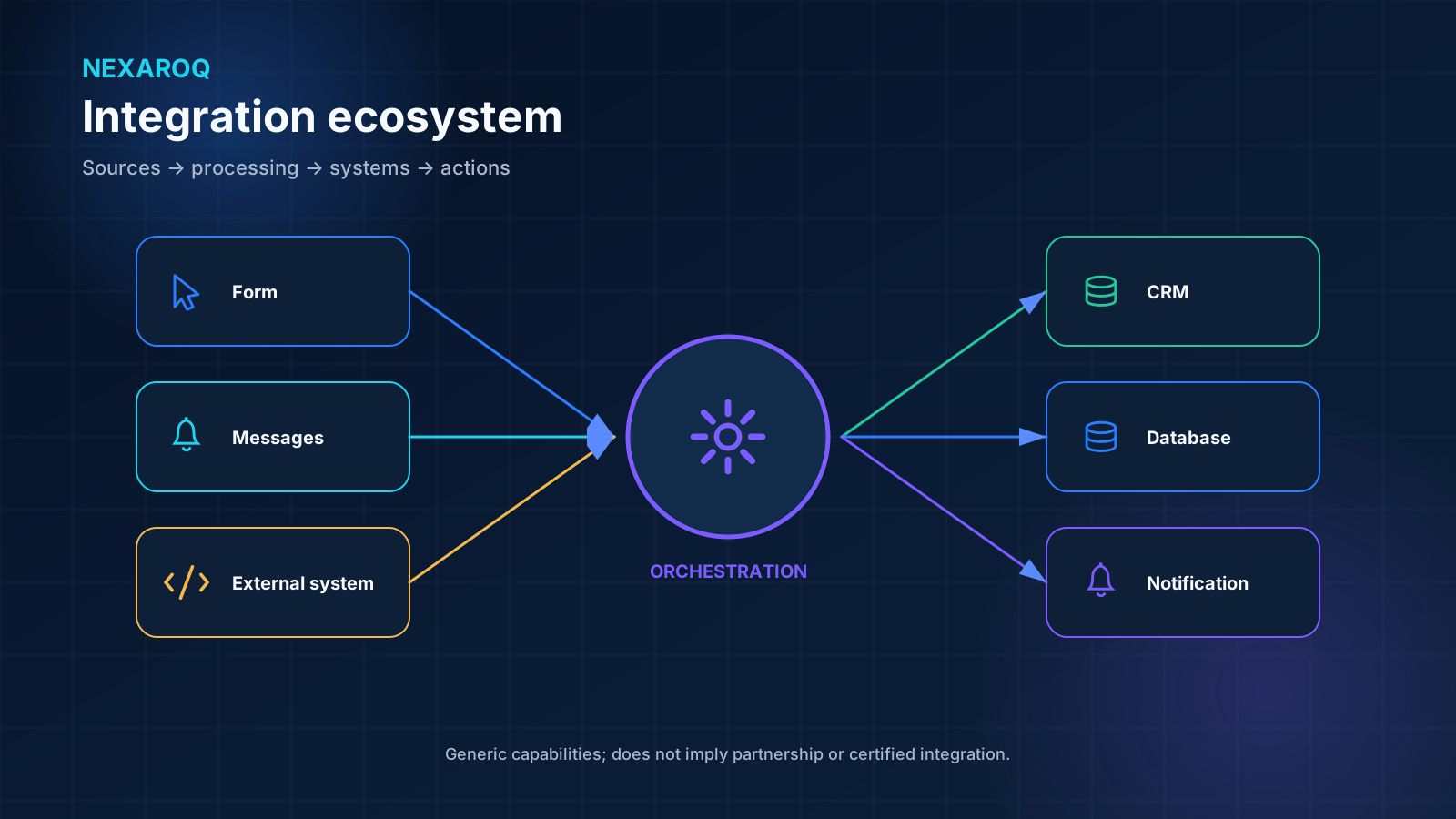
These categories guide discovery; they are not a promise of compatibility across all tools.
Entry points, consent, and data delivery within a defined flow.
Follow-up continuity when access and an agreed commercial structure are available.
Bounded notifications or sequences, subject to the provider, configuration, and permissions.
Links or handoffs to a conversation that the user chooses to start.
Basic events and measurement defined around the goal, privacy, and available tooling.
Reading or writing information when the data model, access, and handling rules are clear.
Widgets, links, or connections that can be assessed according to platform capabilities.
Possible connections when suitable documentation, authentication, and endpoints are available.
Events between systems when sender and receiver provide compatible mechanisms.
Bounded workflows that reduce manual steps without replacing entire processes by default.
Each case is reviewed before scope, timing, or responsibilities are agreed. Feasibility may change according to the platform and third-party conditions.
Availability of a documented API, webhook, widget, or other connection method.
Permissions, subscribed plan, and access made available by the third party.
Authentication method, technical constraints, and applicable rate limits.
Documentation quality and availability of a test environment.
Client access and the scope agreed during discovery.
The process keeps technical possibility, agreed scope, and required testing distinct.
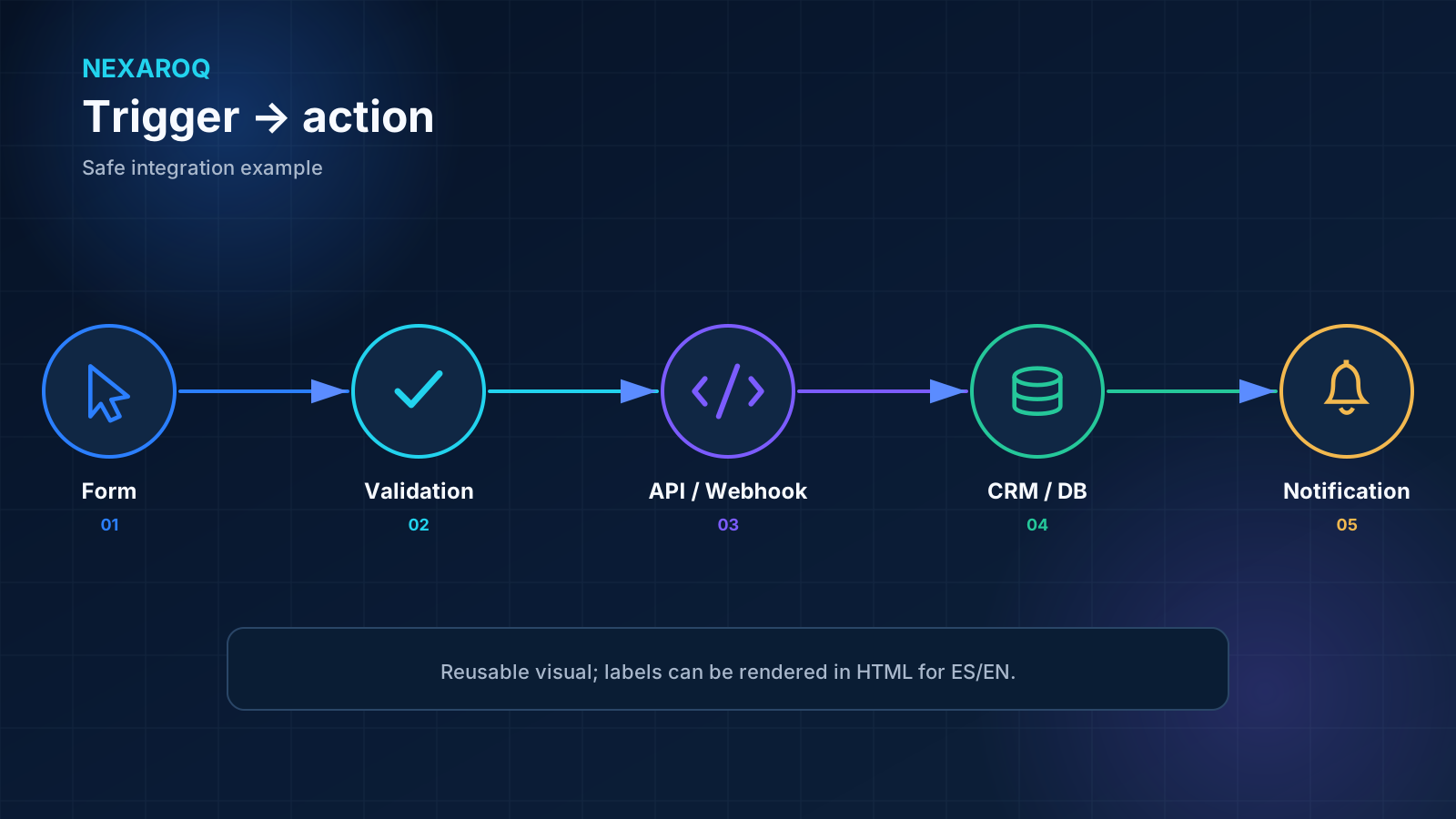
Automation Sprint helps define one process; Lead Engine focuses on capture and follow-up. If the path is not clear yet, talk to us about the need.